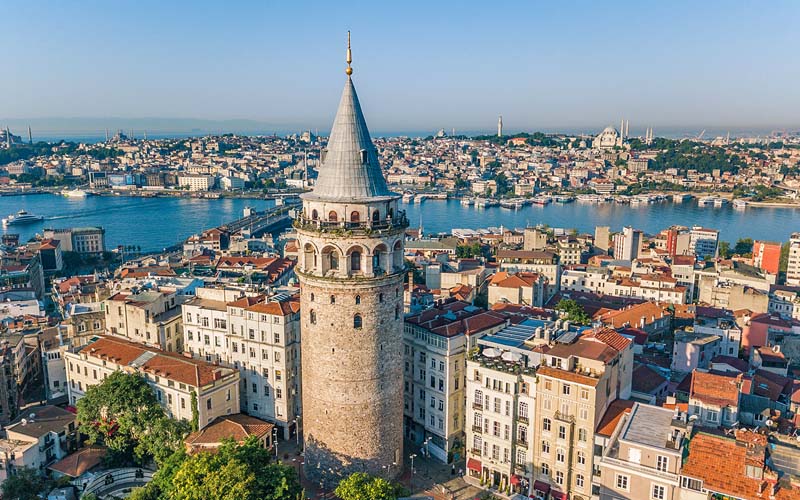
İstanbul Tours
Istanbul Tour moves through a city shaped by layered empires, where monumental structures define both skyline and ground rhythm.
Stone courtyards open into wide squares, while narrow streets carry a slower, more enclosed tempo. Visual lines stretch from domes to the Bosphorus, forming a continuous connection between land and water.
Light shifts across surfaces throughout the day, changing the perception of scale and depth. Each district carries a distinct architectural identity, yet remains part of a larger spatial composition that unfolds step by step.
Many travelers combine their plans with a smooth arrival or departure by booking an Istanbul airport transfer before or after their tour.
Historic Peninsula Structure
Historic Peninsula forms the core of Istanbul’s architectural identity, where imperial structures align within a compact and walkable layout.
Open squares, domes, and subterranean spaces exist in close proximity, creating a layered composition above and below ground. Movement across this area follows a continuous visual and spatial rhythm shaped by centuries of construction.
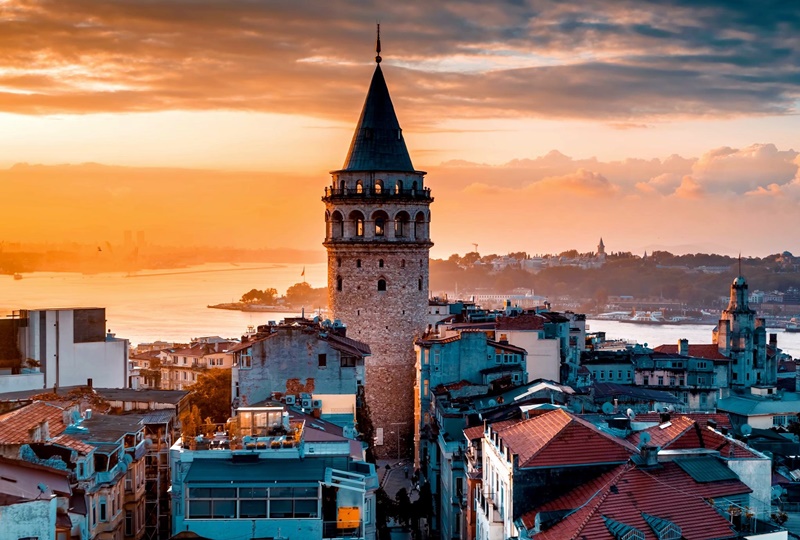
Sultanahmet Tour
Sultanahmet holds a central position within the historic peninsula, where open space and monumental scale meet. Wide squares connect major structures, allowing uninterrupted movement across the area. Stone pathways guide direction naturally, while surrounding buildings create a balanced sense of enclosure.
Early hours bring a softer atmosphere, with long shadows stretching across the ground. As the day progresses, density increases and the square gains a more defined rhythm shaped by continuous movement.
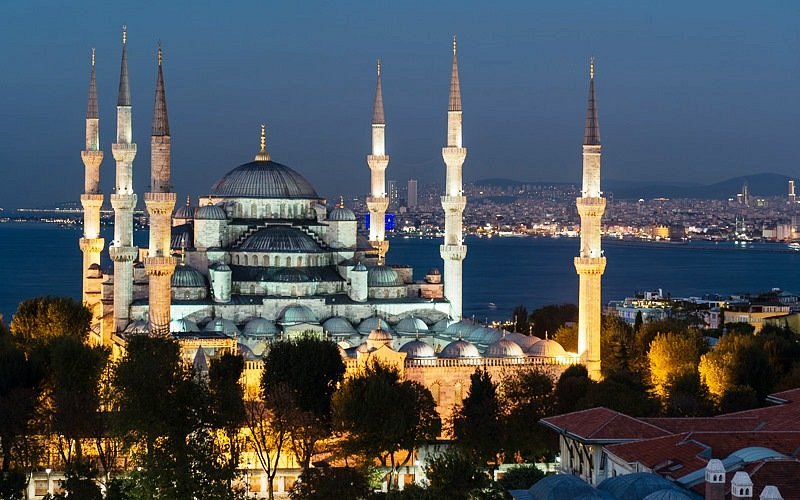
Basilica Cistern Tour
Basilica Cistern introduces a subterranean environment shaped by repetition and symmetry. Columns extend in precise alignment, forming a grid that stretches into the distance. Reflections on the water surface double the visual depth, while controlled lighting creates a calm and measured atmosphere.
Sound remains minimal, allowing the structure itself to define the spatial perception. Entry into this space shifts the experience from open air into a contained architectural volume.
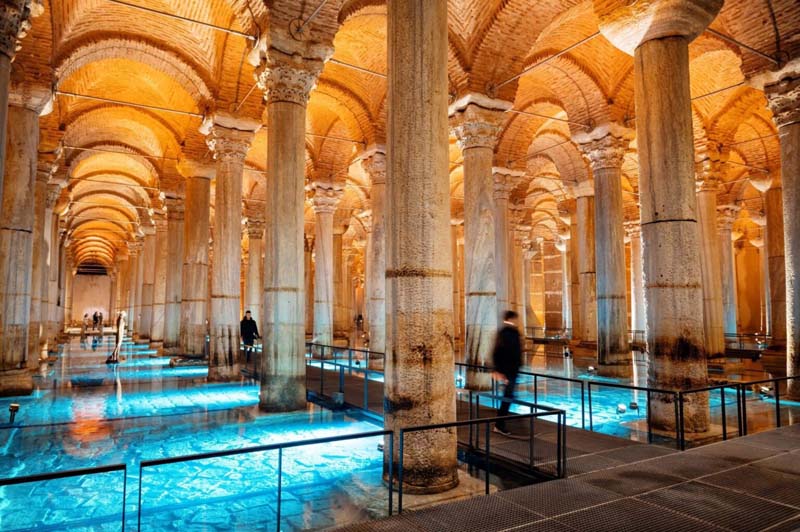
Ottoman Architectural Layer
Ottoman architectural layer expands the city’s vertical and visual structure through elevated complexes and balanced compositions.
Large-scale mosques and surrounding buildings form integrated systems that combine function with spatial clarity. Elevated positioning strengthens visual dominance across the skyline.
Suleymaniye Mosque Tour
Suleymaniye Mosque stands on elevated ground, overlooking the Golden Horn with a wide visual reach. The complex unfolds gradually, beginning with an open courtyard framed by arches and leading into a balanced interior space. The central dome establishes proportion, supported by secondary elements that maintain structural harmony.
Exterior terraces provide extended viewpoints across the city, connecting the structure visually with distant districts. Surrounding buildings form an integrated system, reinforcing its role within the urban fabric.

Galata and Northern Axis
Galata and the northern axis introduce a denser and more vertical urban character, where narrow streets and elevated viewpoints define spatial perception.The area connects visually with the historic peninsula while maintaining a distinct structural rhythm shaped by trade and movement.
Urban continuity in Istanbul emerges through transitions between elevation, density, and openness.Streets, squares, and waterfront edges connect different layers of the city into a unified structure. Movement follows a natural rhythm shaped by geography and historical planning.
Some itineraries naturally align with arrivals or departures on the Asian side, making a well-timed Sabiha Gökçen airport transfer a seamless addition to the overall travel plan.